


It has been a while since I last published a blog post.
Over the past two months, I have been tied down with market updates, reviewing Trump’s statements almost day by day, updating clients, and meeting with them to review their portfolios.
During this period, I also held two client Zoom updates and wrote one quarterly report. At the “darkest” moment in March, I told my clients my view that the war would likely benefit the US stock market (“大炮一响,黄金万两” as I said), and that the war would probably stop within one month. I was putting my head on the chopping board.
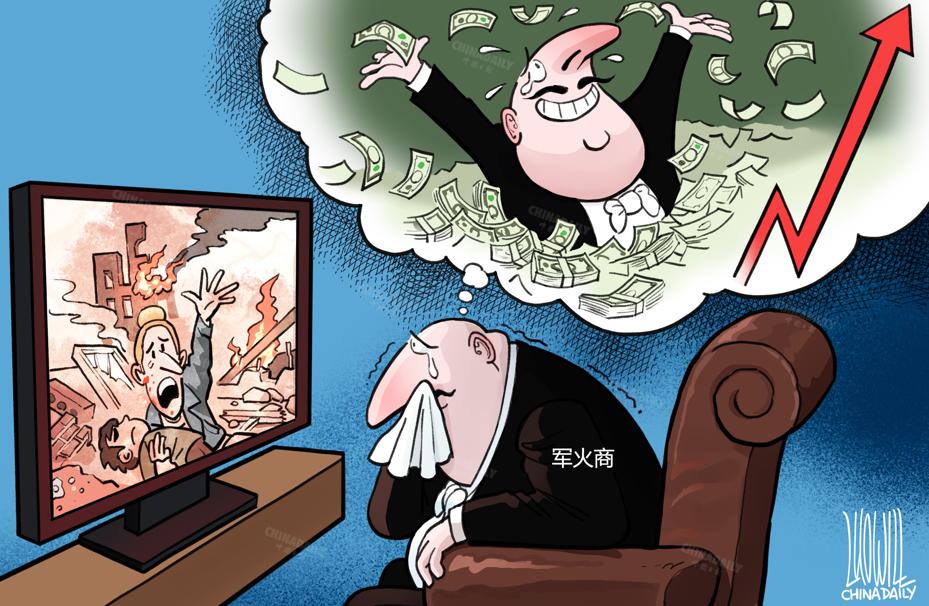
In hindsight, it is always easy to say, “Markets always come back.”
But if you were investing through March and April, you would know it was never that simple.
Oil prices were unstable. Gold was surging. The Strait of Hormuz (a place many people have never heard of) became the centre of media attention. Inflation fears came back. Investors were nervous.
Unlike looking back with the benefit of hindsight, we never get to invest from God ’s-eye view. We have to make decisions with incomplete information, imperfect confidence, and constantly changing facts.
This is why investing is hard. To make it worse, during the moments of uncertainty like this, there are always people trying to take advantage of your fear, vulnerability, and desire for certainty.
Many fearmongering financial influencers were trying to capture your attention by exaggerating the crisis and selling fear. Panic investors who took their advice from YouTube were selling their stocks near the recent market bottom in late March.
Now that markets have recovered, some of the same voices will tell you not to miss the next train before it departs.
Investing is never just a “buy or don’t buy” decision.
It is about asset allocation, risk management, and having a framework before fear or greed takes over.

So the purpose of this article is to give you a balanced way to think about what has happened, why markets recovered, and what investors should consider doing now.
The War Would Not Drag On for Too Long
During my March GMC market discussion, I shared that the US could not afford to stay stuck in the Middle East war for too long.
The reason was not that the conflict was unimportant or that geopolitical risk could be brushed aside. It was because the longer the war dragged on, the more it would move from a foreign-policy issue into a domestic economic problem.
For the average American voter, the Middle East may feel far away. But petrol prices and grocery bills are very close to home. Once oil prices rise, inflation expectations return, and consumers start blaming the war for higher living costs, the political pressure can build very quickly.
That was why I said in March that the US was “fighting an isolated war” and needed to “finish it fast.”
My reading was that Trump may have miscalculated the situation. After a swift success in Venezuela, he might have believed the same playbook could work again. But Iran was different. It had the ability to disrupt oil flows, trigger inflation fears, and create a much larger market reaction than expected.
The sharp correction in March was also not only about the war itself. In my view, it was partly a liquidity and margin-call problem. When markets fall quickly, leveraged investors and overexposed traders may be forced to sell, not because their long-term view has changed, but because they need to reduce risk immediately. This kind of forced selling can make the market look far worse than the underlying fundamentals.
That was why I used a line many GMC members may remember:
TACO means Trump doesn’t avoid conflict; he avoids getting stuck in one.
So I expected the panic phase to pass faster than many investors feared. Not because the risks were small, but because the incentives to de-escalate were strong.
Relief Rally Is Not the Same as Real Recovery
When markets rebound after a shock, investors must ask one important question: has the risk really disappeared, or has the market simply stopped panicking?
There is a difference.
A relief rally happens when the worst-case scenario does not happen. A true recovery happens when earnings, liquidity, inflation, and confidence improve together.
In my April GMC meeting, I described the rebound as more of a relief rally than a genuine recovery. Stocks had recovered quickly, but fundamentals had not improved at the same speed. Part of the move also looked more like short-covering than a clean, broad-based recovery.
This distinction matters because investors can easily become too complacent after a sharp rebound. When prices move up quickly, it is tempting to assume the danger has passed. But sometimes, the market is not saying “everything is fine.” It is simply saying “the worst did not happen.”
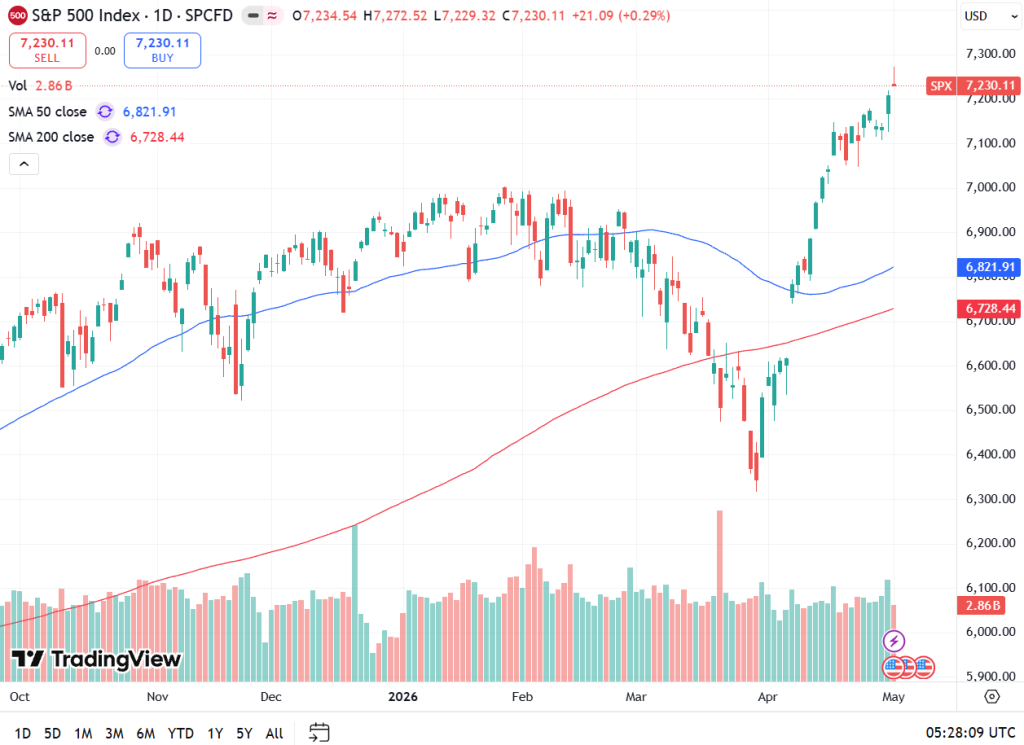
Oil risk has not disappeared either. If oil supply and shipping routes still depend on the geopolitical situation normalising, then the market is not dealing with normal supply and demand alone. It is still dealing with politics, energy security, and fragile confidence.
So when markets rally, we need to understand what is really driving the move. Are fundamentals improving? Is sentiment recovering? Or are investors simply unwinding extreme positions after being too bearish?
The answer matters because a market that has stopped panicking is not the same as a market that has fully healed.
Did Triple Witching Help the Market Recovery?
Since we are talking about “unwinding extreme positions”, I need to mention a technical factor, which is called “Triple Witching”.
Triple witching refers to the simultaneous expiry of stock options, stock index options, and stock index futures. In 2026, the first triple witching day fell on 20 March, right around the time when markets were digesting the Iran conflict, oil shock fears, and heavy hedging activity.

Why does this matter?
When markets fall sharply, investors often rush to buy protection through put options. Dealers who sell those options may need to hedge their own risk by selling futures or stocks. This can add more pressure to the market on the way down.
But when the market starts to stabilise, the reverse can happen. Options expire, hedges are unwound, short positions are covered, and underinvested investors start chasing exposure again. These flows can amplify the rebound, even before the fundamentals have fully improved.
In simple terms, part of the recent recovery may not have come only from better economic data or a clearer geopolitical outlook. It may also have come from the market cleaning up extreme hedging positions after too many investors had positioned for disaster.
This does not mean the rally is fake. It also does not mean investors should ignore it. But it does mean we should be careful not to treat every strong rebound as proof that all risks have disappeared.
Sometimes, markets recover not because the world has become perfect, but because the worst-case scenario did not happen and too many investors were caught on the wrong side.
That is why I still see this recovery as a relief rally first. It becomes a true fundamental recovery only if earnings, liquidity, inflation, and geopolitical conditions confirm it later.
Retail Investors Usually Lose Not Because They Are Wrong, But Because They Are Late
This is where retail investor behaviour becomes important.
Most retail investors do not lose money because they are incapable of understanding markets. They lose money because markets often move before they feel emotionally ready to act.
By the time they feel confident enough to buy, prices may have already recovered. By the time they feel scared enough to sell, the market may have already priced in a lot of bad news.
We saw this again and again, during COVID, the Russia-Ukraine war and the latest Middle East conflicts.
When the headlines were at their worst, many investors wanted to reduce risk. Their long-term goals had not changed. Their retirement needs had not changed. Their investment time horizon had not changed. But the emotional pressure became too painful.
Then, when markets recovered and moved back towards all-time highs, the fear changed direction. Investors who were afraid to buy near the bottom suddenly became afraid of missing out.
This is the classic retail investor trap. I find the chart below perfectly describes the common pitfalls of retail investors.
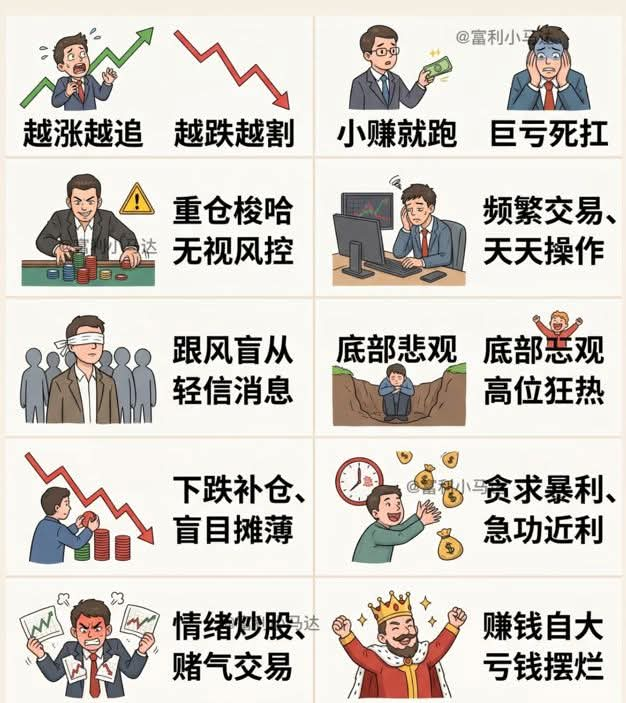
Fear pushes us to sell when prices are already depressed. Greed pulls us back in when prices have already recovered. Both emotions usually feel the strongest only after the market has already made a big move.
That is why I often say the biggest benefit of a proper portfolio framework is not prediction. It is behaviour control.
A good framework helps you avoid becoming a forced seller out of fear. It also helps you avoid becoming a forced buyer during euphoria.
You do not need to predict every headline correctly to invest well. But you do need to know what each asset is supposed to do in your portfolio, how much risk you can afford to take, and when a position has become too large, too crowded, or too dependent on one single story.
So Should Investors Chase the Market Now?
When markets are at all-time highs, the answer is rarely to “buy everything” or “sell everything.”
The better approach is to review your allocation, rebalance where necessary, upgrade the quality of your holdings, and make sure your portfolio is not overly concentrated in one region, one sector, or one theme.
If you are underinvested, you do not need to rush in all at once just because the market has gone up. A market at an all-time high can still move higher, but that does not mean you should abandon discipline and chase blindly.
If you are already invested, you do not need to sell everything simply because markets have recovered. Staying invested is still important, especially if your portfolio is built around quality assets and long-term goals.
But if your portfolio has become too dependent on one story, this is a good time to review your risk.
Many investors are still heavily exposed to a single story, such as US technology stocks, Gold, or Singapore Banks.
I am not saying these themes are over. But even a good theme can become risky when too much money crowds into the same trade. When expectations are high, valuations are stretched, and everyone believes the same story, the margin for disappointment becomes smaller.
So at all-time highs, the question you should ask yourselves is:
“Is my portfolio still balanced and resilient for the next phase?”
Diversification is Your Only Free Lunch During the Volatility
In my 20 years of helping clients manage their portfolios for retirement, one thing has helped me survive different market cycles until today: diversification.
But diversification is often misunderstood.
Diversification is not owning many funds or many stocks. It is not having ten unit trusts, twenty stocks, a few ETFs, some bonds, some gold, and then assumes the portfolio is automatically safe.
Real diversification means owning assets that behave differently when the world changes.
That is why I always say portfolio construction matters more than product collection.

Many investors have many investments, but they do not really have a strategy. They accumulate products over the years, sometimes from different advisers, banks, platforms, or investment ideas they read online. On paper, the portfolio may look diversified because there are many line items.
But when the market turns, everything falls together.
Growth stocks fall. REITs fall. Long-duration bonds fall. High-yield bonds fall. Some funds that were supposed to be “balanced” also fall because they are exposed to the same underlying risks.
That is not diversification.
That is clutter.
A properly diversified portfolio should have different engines. Some assets are meant for long-term growth. Some are meant for income. Some are meant to reduce volatility. Some are meant to provide liquidity. Some are meant to protect the portfolio when inflation, war, or interest-rate shocks appear.
You do not need every asset to perform at the same time. In fact, if everything in your portfolio goes up and down together, you probably should be worried.
During volatile periods, diversification may feel boring because part of your portfolio will always look like it is not doing much.
But that is exactly the point.
The purpose of diversification is not to make you rich overnight. It is to keep you in the game long enough for compounding to work.
What I Would Do Now
So, if the worst of the war is probably behind us and markets are at all-time highs, what should you do?
Below is my playbook, and I think it is a good time for you to review, rebalance, and make sure your portfolio is still suitable for the next phase of the market.
1. Do Not Sell Everything
While the worst-case scenario has become less likely, and markets have already recovered strongly, it is tempting to sell everything because you are still nervous that the market may turn.
But staying invested does not mean staying careless. The correct response is review.
You want to ask yourself: has my portfolio become too risky, too concentrated, or too dependent on one market outcome? If the answer is yes, then adjust the portfolio calmly instead of reacting emotionally.
2. Do Not FOMO Buy
The opposite mistake is to rush in just because markets are going up.
All-time highs can continue higher, but they are not an invitation to abandon discipline. This is especially true when part of the recent recovery may have been helped by options-expiry flows, short-covering, and underinvested investors chasing the rebound.
If you have spare cash, you do not need to invest everything at once. You can phase in gradually, especially if valuations are no longer cheap.
If your portfolio is already fully invested, you do not need to add more risk just because everyone suddenly feels bullish again.
A market that has recovered does not mean your risk preference should be adjusted accordingly.
3. Take Profit Where the Thesis Has Played Out
Taking profit does not mean you are bearish. It means you recognise that the easy part of the trade may already be over.
In my recent portfolio review, my game plan was to take profit on gold and global energy and resources funds, as the war may have accelerated the commodity cycle. I could well be too early to do this, but I believe that when a thesis plays out faster than expected, discipline matters more than greed.
Many investors make the mistake of turning a tactical position into a permanent belief after it has made money. They buy gold as a hedge, then fall in love with gold. They buy energy as a war trade, then convince themselves it must go up forever. They buy bank stocks for the dividends, then turn greedy for the capital gain.
That is dangerous.
Every position should have a role. Once that role has been fulfilled, review it.
4. Keep Quality Equities, Trim Excess Risk
I am not bearish on equities in the medium term, but after a sharp rebound, I want to be more prudent.
This is not the time to blindly sell all your stocks. It is also not the time to buy every stock that has gone up.
Wall Street always have stories to tell, and these stories come and go.
Keep quality businesses. Trim positions that have run too fast. Reduce speculative holdings that depend mainly on sentiment. Avoid adding aggressively to crowded trades unless the fundamentals justify it.
Do not buy a market just because it feels “cool”. Buy what has earnings resilience, dividend discipline, and a sensible valuation.
5. Be Careful With Weak Credit and Long-Duration Bonds
Many investors still think bonds are automatically safe.
They are not.
We have witnessed that in the past three years, the safest bonds, even the US Treasury, can still lose more than 50% in value.
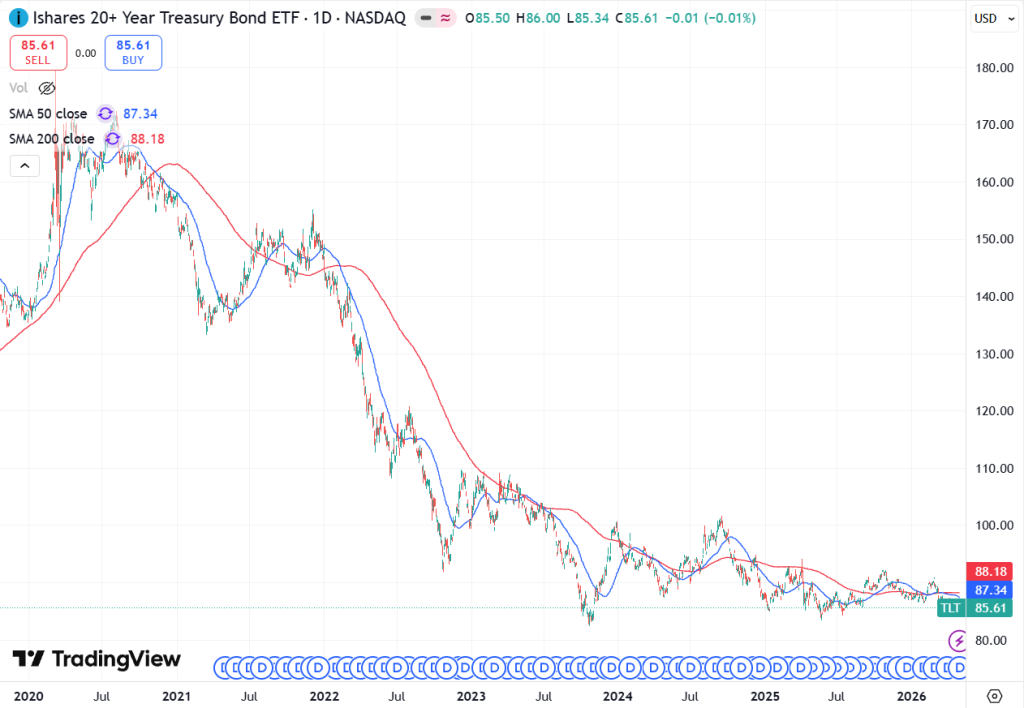
If oil shocks keep inflation sticky, long-duration bonds can remain volatile. If liquidity tightens, weaker credit can suffer.
That is why I prefer a more disciplined income approach now: shorter duration, better credit quality, and use global multi-asset to ensure enough flexibility to redeploy when opportunities appear.
The goal is not to chase the highest yield.
The goal is to build income without taking hidden risks that only show up when the market turns.
This is especially important for retirees and income investors, because a high yield is only attractive when the capital risk is properly understood.
In recent years, I have seen many investors buy bond funds simply because they were attracted by the advertised 6% to 7% annual distribution. What they may not realise is that part of the payout could come from their own capital, rather than purely from the income generated by the underlying investments.
In other words, what looks like income may not always be real income.
Sometimes, it is simply your capital being returned to you.
That is why income investing should never be just about asking, “How much is the yield?” A high yield is often compensation for credit risk, duration risk, currency risk, or liquidity risk that you may not be prepared to take.
The better question is: “Where is the yield coming from, and what risk am I taking to receive it?”
6. Keep Some Dry Powder
When your friends are showing off their double-digit returns in one stock, dry powder feels useless.
But when volatility returns, dry powder becomes confidence.
It allows you to buy without panic, rebalance without stress, and take advantage of dislocations when others are forced to sell.
You don’t need to be either fully aggressive or fully defensive. The better position is to have enough exposure to participate, but enough flexibility to act.
In a market like this, cash and short-duration income assets are not just “idle money.” They are optionality. They give you the ability to respond when the next opportunity appears, instead of being trapped by yesterday’s decisions.
Final Thoughts: The Investment Playbook Has Changed
The Middle East war may fade from the headlines, but the lesson should not fade from our portfolios.
Investing is no longer just about guessing when the Fed will cut rates. It is no longer just about buying US technology stocks and waiting. It is also no longer safe to assume that bonds will always protect you whenever equities fall.
We are now investing in a world where geopolitics, energy security, shipping lanes, strategic resources, inflation shocks, liquidity risks, and even options-market mechanics can quickly change market leadership.
That does not mean we should become fearful.
It means we should become more prepared.
In my Q1 GMC report, I wrote that even if a ceasefire happens, I do not expect markets to simply return to the old environment. The era of easy money and straightforward rate-cut optimism is behind us, at least for now.
That remains my view.
The next phase of investing requires more than optimism. It requires structure, diversification, income discipline, quality, and most importantly, the humility to adjust when the facts change.
If you are unsure whether your current portfolio is properly positioned for this new environment, ask yourself these questions:
- Is my portfolio genuinely diversified, or just cluttered with many products?
- Am I taking too much risk in one sector, one country, or one theme?
- Do I know where my income is really coming from?
- Do I have enough flexibility to take advantage of the next opportunity?
In markets, the most dangerous moment is often not when everyone is fearful. It is when everyone suddenly believes the danger is gone.
If you would like a professional review of your investment portfolio, you can use the form below to apply for a non-obligatory investment discovery meeting.
During the meeting, I will help you assess whether your current portfolio is still aligned with your retirement goals, risk tolerance, income needs, and the market environment ahead.
If you like this article, subscribe to our mailing list below and join our Telegram channel for exclusive insights.